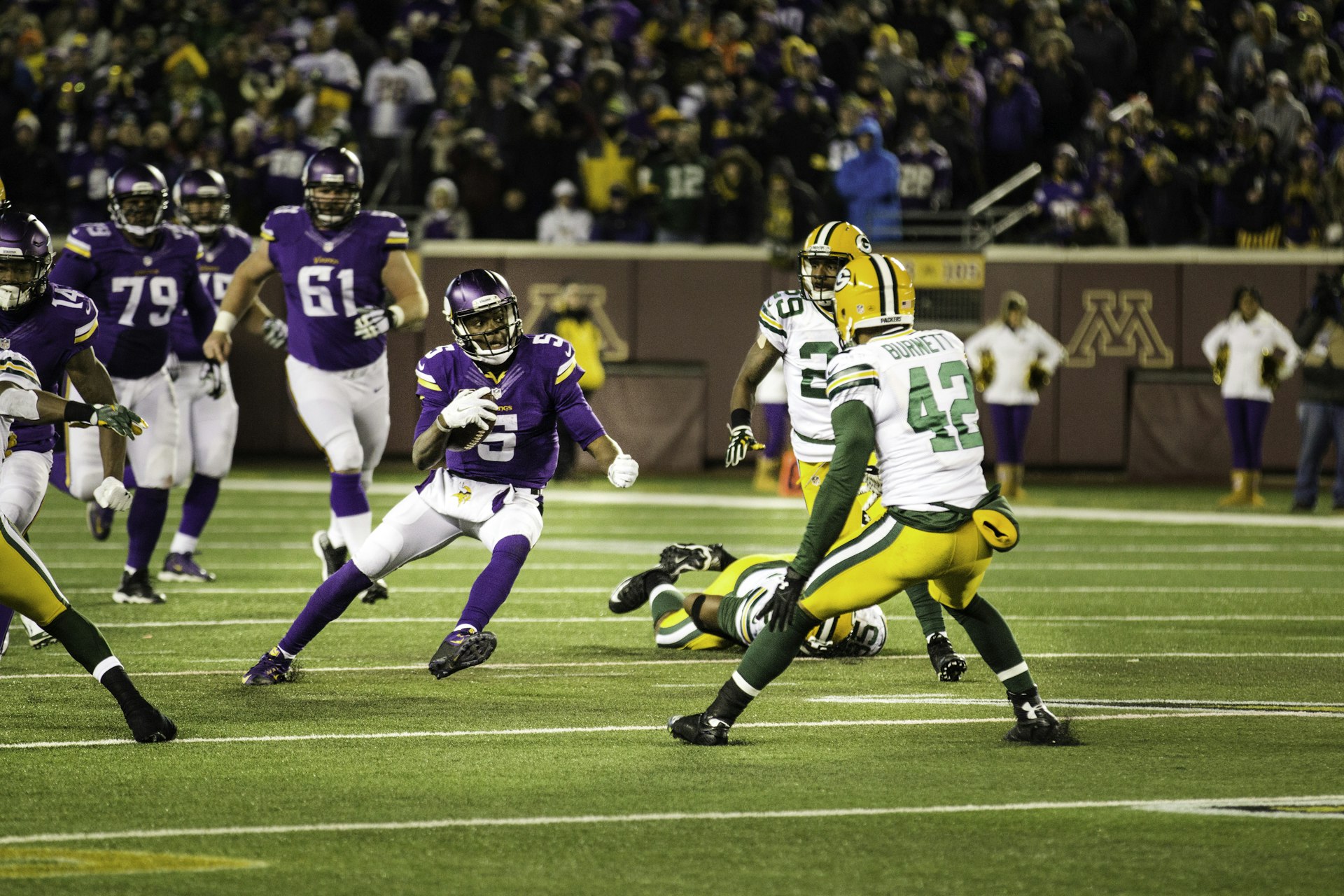
If you tear your ACL, the first question after “do I need surgery?” is almost always “when can I get back on the field?” It is the defining question of ACL recovery — and it assumes you have already had the operation, so if you are still weighing that decision, start with our overview of ACL reconstruction surgery. The answer you hear depends on who you ask. Some surgeons quote six months. Some physical therapists insist on a year. The patient just wants a date to circle on the calendar.
The best evidence says the date on the calendar is the wrong thing to focus on. What actually predicts whether you get back to sport safely is not how many months have passed but whether your knee has regained its strength, its control, and your confidence. Time matters — but it matters because those things take time to rebuild, not because the calendar itself heals anything. And the data on athletes who return before their knee is ready is genuinely sobering: in young athletes, returning to cutting-and-pivoting sport before nine months carries a rate of new injury roughly seven times higher than waiting.2
This article walks through what the evidence actually shows about the timeline, why the nine-month mark keeps coming up, what “readiness” really means, and how I think about clearing a patient to return in my own practice.
Why “when can I play?” is the hardest question to answer honestly
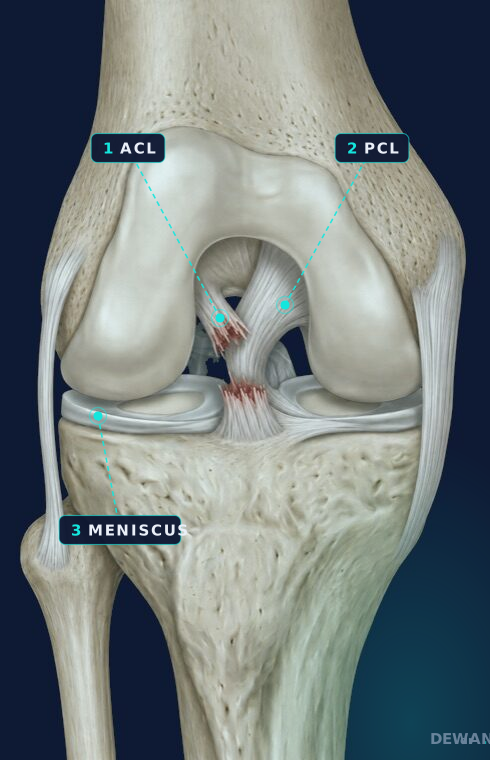
An ACL reconstruction is not a repair in the way most people picture it. The torn ligament is not stitched back together; it is replaced with a graft — a piece of tendon, taken either from your own knee (autograft) or a donor (allograft), threaded through bone tunnels and fixed in place. That graft starts out as essentially dead tissue. Over the following months your body has to grow blood vessels into it, repopulate it with living cells, and remodel it into something that behaves like a ligament. This process is called ligamentization, and animal and human studies suggest it takes the better part of a year — the graft is mechanically at its weakest somewhere in the first few months, well after the skin incisions have healed and the knee feels “fine.”
That mismatch is the trap. The knee can feel ready long before the graft and the muscles around it actually are. A patient who feels great at four months and goes back to basketball is making a decision based on how the knee feels, not on what the tissue can withstand. The whole point of a structured return-to-sport process is to replace “it feels fine” with objective evidence that it is fine.
What the evidence says about the timeline
Two findings anchor the modern understanding of this question, and they fit together.
Every month of delay (up to about nine) lowers reinjury risk
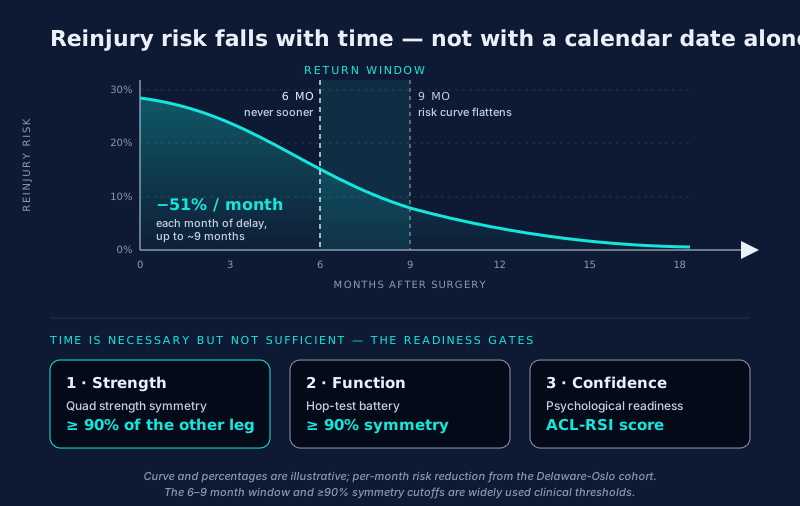
The most-cited study here is the Delaware-Oslo ACL cohort, published in the British Journal of Sports Medicine in 2016.1 The investigators followed about 100 patients after ACL reconstruction and tracked who got reinjured. Their headline finding: for every additional month a patient waited before returning to sport, the reinjury rate dropped by roughly 51% — and that protective effect held up until about nine months, after which waiting longer didn’t add much. They also found that more symmetrical quadriceps strength before return independently lowered the reinjury rate.
Returning before nine months multiplies the risk in young athletes
A 2020 study in the Journal of Orthopaedic & Sports Physical Therapy looked specifically at athletes aged 15–30 returning to knee-strenuous sport.2 Those who went back before nine months had a rate of second ACL injury about seven times higher (hazard ratio 6.7) than those who waited longer. This is the study behind the “nine-month rule” you may have read about.
The reason the nine-month mark keeps surfacing is that it is roughly where two curves cross: it is long enough for graft ligamentization to be well underway, and it is about how long a properly progressed rehab program takes to rebuild strength and movement control to near-normal. It is a useful floor — but, as I’ll argue below, a floor is not a green light.
What “ready” actually means: the three gates
The shift in sports medicine over the last decade has been away from time-based clearance (“it’s been X months, go play”) toward criteria-based clearance (“you’ve passed these tests, and enough time has passed”). Three gates do most of the work.
1. Strength symmetry
The injured leg is compared with the healthy leg, and the ratio is called the limb symmetry index (LSI). The common threshold is a quadriceps LSI of at least 90% — your surgical-side thigh muscle should be within 10% of the other side. Quadriceps strength is the single muscle group most consistently linked to outcomes, and most patients are still well short of 90% at six months even when the knee feels normal.
2. Functional performance
A battery of single-leg hop tests (hop for distance, triple hop, crossover hop, timed hop) measures how the knee performs under the dynamic, one-legged loads that sport actually demands. The same 90% symmetry idea applies. Hop tests catch deficits that a patient can easily mask in daily life.
3. Psychological readiness
This is the gate that gets ignored, and it shouldn’t be. A validated questionnaire called the ACL-RSI (Anterior Cruciate Ligament – Return to Sport after Injury scale) measures confidence, fear of reinjury, and how a patient appraises the risk of going back.5 Patients with low psychological readiness are less likely to return to their prior level and more likely to move tentatively — which, paradoxically, can itself raise injury risk. A knee can pass every strength test and still not be ready if the athlete is bracing against it on every cut.
Even “successful” surgery doesn’t guarantee a return
Patients are often surprised by this, so it is worth stating plainly. A large 2014 meta-analysis pooling more than 7,000 patients found that about 81% returned to some sport, 65% returned to their pre-injury level, and only 55% returned to competitive sport.4 The surgery restores the mechanical stability of the knee in the large majority of cases. Whether you get back to the exact sport at the exact level you played before depends on age, the sport, the rehab, and the head as much as the knee.
The other number patients deserve up front: in athletes under 25 who return to sport, the rate of a second ACL injury — either re-tearing the graft or tearing the other knee — runs around 1 in 4.3 That is not a reason to avoid returning to sport. It is the reason the readiness gates exist.
Where I’d push back on a purely test-based clearance
It would be tidy if passing a hop-test battery guaranteed safety. It doesn’t, and a fair reading of the literature has to acknowledge that.
The tests predict less than we’d like
The same 2020 study that gave us the nine-month finding also reported no association between symmetrical muscle function and a lower rate of second injury.2 In other words, athletes who passed the strength and hop criteria still got reinjured at meaningful rates. That doesn’t make the tests useless — failing them clearly flags a knee that isn’t ready — but passing them is not a clean bill of health.
Symmetry can be a flattering mirror
The LSI compares the surgical leg to the “healthy” leg. But the uninjured leg often weakens during months of altered activity, so a 90% ratio can be reached partly because the reference leg dropped, not only because the surgical leg recovered. Some clinicians now compare against pre-injury or estimated baseline values to avoid being fooled.
The cohorts are modest and self-selected
The anchor studies are prospective cohorts of roughly 100–160 patients, not large randomized trials — and you cannot ethically randomize athletes to “return early” versus “wait.” The athletes who waited longer may differ in ways the studies couldn’t fully capture. The direction of the evidence is consistent and biologically sensible, but the precision behind any single percentage should be read with humility.
What this means in my practice
When a patient asks me at the first post-op visit when they’ll play again, I tell them the truth: I don’t clear knees by the calendar, and I won’t give them a guaranteed date — but I will give them the milestones that earn the clearance. Here is how I frame it.
Think of it as a six-to-nine-month window, not a single date
The right timeline depends on what you’re returning to. In my practice I think in terms of a six-to-nine-month window, individualized to the sport and the patient’s goals — and only when the readiness gates are met. Lower-demand, straight-line activity (running, cycling, swimming) can sit at the earlier end. A cutting, pivoting, or contact sport sits later, closer to nine months, because that is where the data on reinjury are most reassuring. What I do not do is clear anyone before six months: the graft is still early in its biological remodeling, and returning that soon is where the highest reinjury risk lives. The calendar isn’t the goal — it’s a guardrail around how long the tissue and the muscles actually need.
I want strength, function, and confidence — not two out of three
Quadriceps symmetry at or above 90%, a clean hop-test battery, and genuine psychological readiness on something like the ACL-RSI. If a patient is strong and functional but still flinching at the thought of a cut, we are not done — we work on graded exposure and confidence, because a tentative athlete is a vulnerable one.
I weight age and sport heavily
A 17-year-old soccer player returning to a pivoting sport is in the highest-risk group in all of orthopedics, and I counsel that family differently than I would a 40-year-old recreational runner. The younger and more cutting-heavy the athlete, the more I lean toward waiting, retesting, and — increasingly — discussing prevention programs and bracing for the first season back. None of this is a promise; it is the evidence applied to one person’s knee, which is the conversation worth having before surgery, not after.
The bottom line for the layperson
- The right answer to “when can I play?” is “when your knee is ready,” not a fixed number of months — and readiness has to be measured, not felt.
- Clearance is usually a six-to-nine-month window that depends on your sport and goals — earlier for low-demand activity, closer to nine months for cutting and pivoting sports — but never before six months, because the graft is still healing.
- Three gates decide readiness: quadriceps strength within 10% of the other leg, passing hop tests, and genuine confidence (not just a knee that feels okay).
- Even with excellent surgery, roughly 1 in 4 athletes under 25 who return to sport will injure an ACL again — which is exactly why the gates exist.
- Passing the tests lowers your risk but doesn’t make it zero. Age, sport, and rehab quality matter as much as the calendar.
If you’re recovering from an ACL reconstruction and want a clear, criteria-based plan for getting back to your sport, you can request a visit or call the office at (281) 690-4678. Bring your rehab notes and your goals — the return-to-sport conversation works best when it starts early.
Sources
- Grindem H, Snyder-Mackler L, Moksnes H, Engebretsen L, Risberg MA. “Simple decision rules can reduce reinjury risk by 84% after ACL reconstruction: the Delaware-Oslo ACL cohort study.” Br J Sports Med. 2016;50(13):804–808. DOI: 10.1136/bjsports-2016-096031
- Beischer S, Gustavsson L, Senorski EH, et al. “Young Athletes Who Return to Sport Before 9 Months After ACL Reconstruction Have a Rate of New Injury 7 Times That of Those Who Delay Return.” J Orthop Sports Phys Ther. 2020;50(2):83–90. DOI: 10.2519/jospt.2020.9071
- Wiggins AJ, Grandhi RK, Schneider DK, Stanfield D, Webster KE, Myer GD. “Risk of Secondary Injury in Younger Athletes After Anterior Cruciate Ligament Reconstruction: A Systematic Review and Meta-analysis.” Am J Sports Med. 2016;44(7):1861–1876. DOI: 10.1177/0363546515621554
- Ardern CL, Taylor NF, Feller JA, Webster KE. “Fifty-five per cent return to competitive sport following anterior cruciate ligament reconstruction surgery: an updated systematic review and meta-analysis including aspects of physical functioning and contextual factors.” Br J Sports Med. 2014;48(21):1543–1552. DOI: 10.1136/bjsports-2013-093398
- Webster KE, Feller JA, Lambros C. “Development and preliminary validation of a scale to measure the psychological impact of returning to sport following anterior cruciate ligament reconstruction surgery.” Phys Ther Sport. 2008;9(1):9–15. DOI: 10.1016/j.ptsp.2007.09.003
- Webster KE, Feller JA. “Development and Validation of a Short Version of the ACL Return to Sport After Injury (ACL-RSI) Scale.” Orthop J Sports Med. 2018;6(4):2325967118763763. DOI: 10.1177/2325967118763763
This article reflects Dr. Dewan’s reading of the cited evidence at the time of publication. It is educational content, not medical advice. Your specific case may differ — schedule a consultation to discuss your imaging and history.