dr.DEWAN
Book
Patellar Instability · Arthroscopic Knee Reconstruction

Patellar Instability — The "J Sign"

What a J-sign tells your orthopedic surgeon about how unstable your kneecap really is.

By Ashvin K. Dewan, MDPublished Reviewed

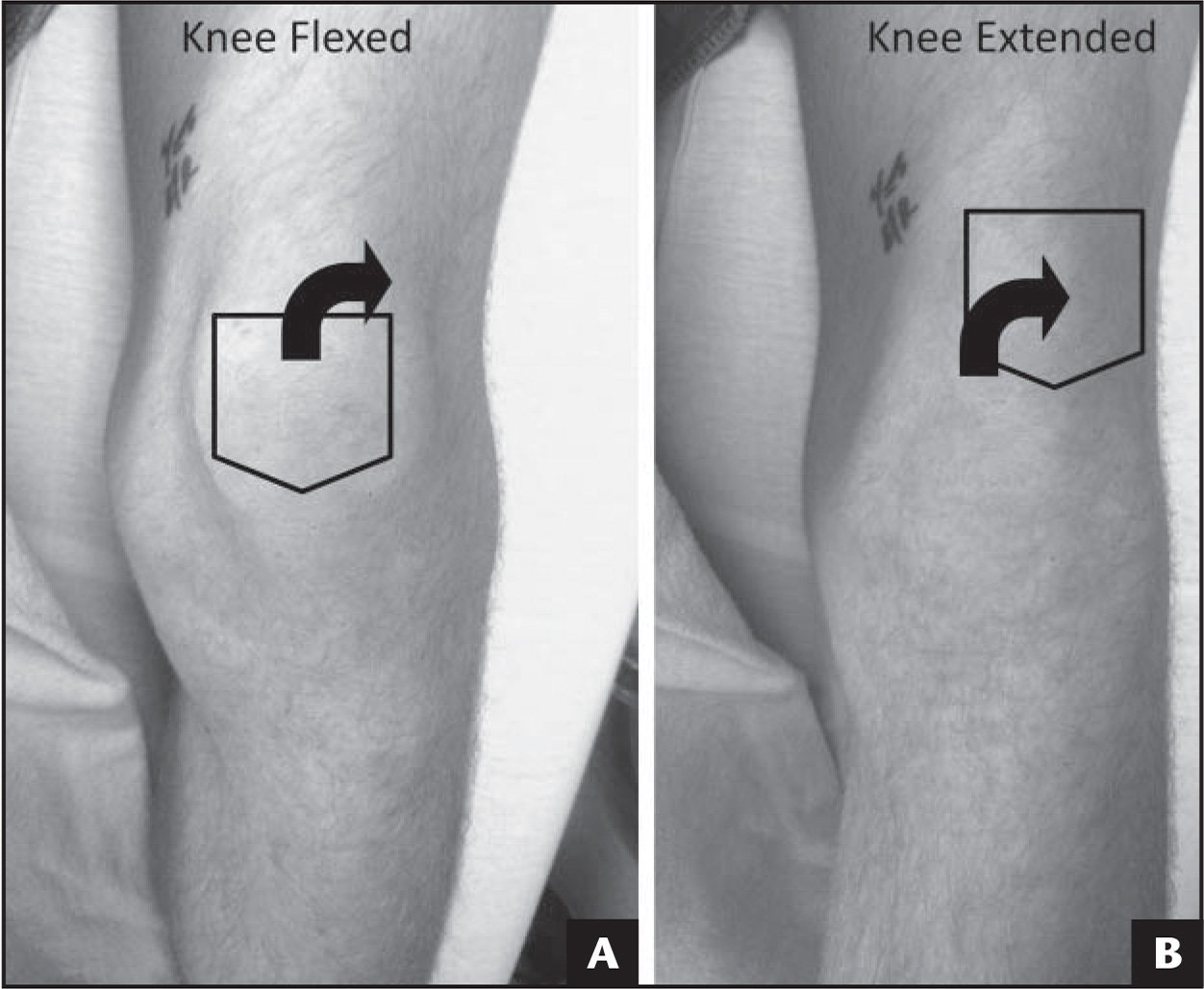
J Sign
Illustration of positive J Sign
M Rothermich, et al. Athletic Training and Sports Health Care. 2014;6(6):246-247

Patella instability is a common problem we treat in my practice. The stability of the patella can be assessed with multiple physical exam tests performed in the office. The J sign is a physical exam observation that correlates with poor patellar tracking. The patella takes an inverted J shaped path as flexion is initiated from a fully extended position. It represents the engagement of the patella within the femoral trochlear groove as the knee flexes. There is a high association of the sign with a condition called Patella Alta (Patella Alta describes the condition in which a patient has an abnormally long patellar tendon). Evaluation of this sign in conjunction with lateral patellar hyper-mobility testing and Q angle assessment are important tools for assessing overall patella stability and tracking.

To learn more about patellar instability: Knee Patella Instability- Relevant Anatomy and Function

Sources:
https://www.healio.com/orthopedics/journals/atshc/2014-11-6-6/%7B9ac1d823-b093-49d6-a202-7717f14e852e%7D/clinical-j-sign-in-the-evaluation-of-patellofemoral-pai
https://medisavvy.com/j-sign/

Related procedure
Arthroscopic Knee Reconstruction
Ligament & cartilage restoration
See how Dr. Dewan performs it
Educational content, not medical advice. This article is provided for patient education and does not replace individualized evaluation by a board-certified orthopedic surgeon. For a personalized opinion on your imaging and symptoms, request a visit with Dr. Dewan or call (281) 690-4678.
More on patellar instability

Continue reading.

Meniscus & Cartilage
When Does Knee Arthroscopy Actually Help? A Surgeon's Critical Read of the 10-Year FIDELITY Data
A landmark Finnish trial just published 10-year follow-up showing arthroscopic meniscectomy offers no benefit — and possibly some harm — for middle-aged adults with degenerative meniscus tears. Here is what that means, what it doesn't mean, and how a working orthopedic surgeon uses this evidence in clinic.
Read
ACL & Knee Ligaments
ACL Reconstruction: A Patient's Guide
What an ACL tear is, how reconstruction works, the graft choices available, and what recovery looks like — written for patients deciding whether to have surgery.
Read
ACL & Knee Ligaments
Choosing the Best ACL Graft
Patellar tendon, hamstring, quadriceps, allograft — the trade-offs between ACL graft options explained by an orthopedic surgeon.
Read
ACL & Knee Ligaments
ACL Surgery: Top 5 Questions Patients Ask
Do I need surgery? Which graft? How long to recover? When can I play again? Answers to the five questions every ACL patient asks.
Read
ACL & Knee Ligaments
Smoking Increases the Risk of Complications After ACL Surgery
Why nicotine compromises graft healing and what the orthopedic literature says about smoking cessation before ACL reconstruction.
Read
Meniscus & Cartilage
Meniscus Tears: Do I Really Need Arthroscopic Knee Surgery?
How meniscus tears are diagnosed, when they actually need surgery, what 'repair' vs 'trim' means, and what the latest evidence shows about non-operative care.
Read